

What Is Upcycled Fashion? And Why It’s the Future of Luxury
A refined introduction to upcycled fashion and its role in reshaping modern luxury. Exploring how transforming existing garments into one-of-a-kind pieces challenges waste, redefines value, and marks a shift toward more intentional design.
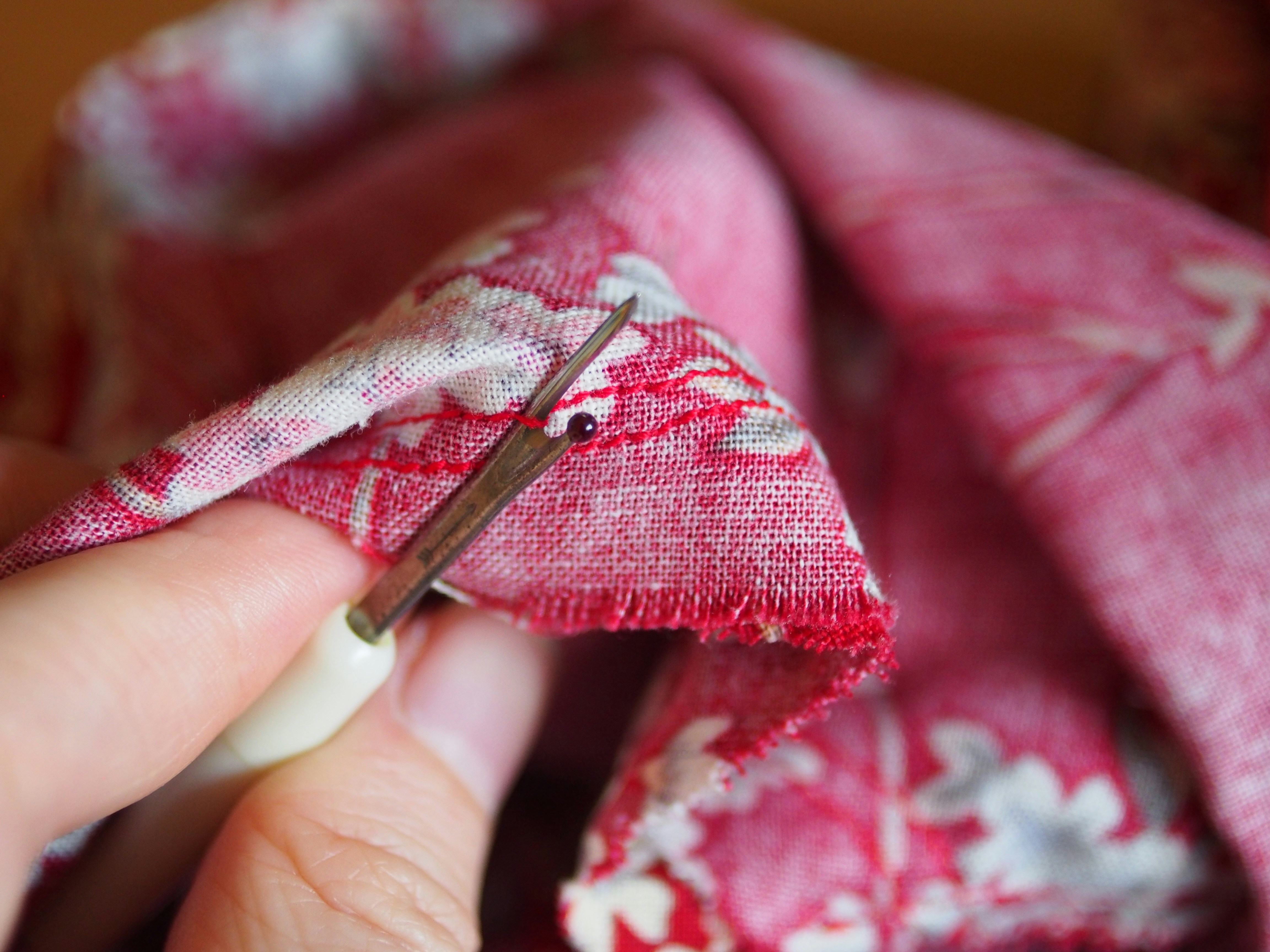
Fashion has always been about creation. But today, the most forward-thinking designers are not starting from scratch. They are starting with what already exists.
Upcycled fashion is the practice of transforming existing garments or materials into new pieces with higher value, quality, and meaning. Unlike recycling, which often breaks materials down, upcycling preserves and elevates them.
At its core, it is not just a technique. It is a shift in perspective.
A Different Way of Seeing Clothing
In traditional fashion, garments are designed, produced, worn, and eventually discarded. This linear system has created an industry built on excess.
According to the Ellen MacArthur Foundation, the equivalent of one garbage truck of textiles is landfilled or burned every second. This is not due to lack of clothing, but overproduction and underuse.
Upcycled fashion challenges this entirely.
Instead of asking “What should we make next?”, it asks:
“What already exists, and what could it become?”
This approach turns limitation into creative direction. A stain, a tear, an outdated silhouette. These are not flaws to hide. They are starting points for design.
Upcycling vs Sustainable Fashion
The term “sustainable fashion” is often used broadly, sometimes to the point of losing meaning.
Upcycling sits within sustainability, but it is more specific and, in many ways, more radical.
- Sustainable fashion aims to reduce harm through better materials, ethical production, and lower impact processes
- Upcycled fashion eliminates the need for new raw materials altogether by working with what already exists
Research from the United Nations Environment Programme highlights that the fashion industry is responsible for between 2 to 8 percent of global carbon emissions. A significant portion comes from raw material production.
By bypassing this stage, upcycling directly reduces demand at the source.
It is not about producing better new clothes. It is about questioning whether new production is needed at all.
Why Upcycling Feels Different
There is a quiet shift happening in how people define value in fashion.
For decades, luxury was tied to newness. Perfect fabrics, untouched materials, seasonal collections.
Now, rarity and meaning are becoming more important.
An upcycled garment is inherently one of a kind. Its design is shaped by the materials it came from, which means it cannot be replicated in the same way. This creates a different kind of exclusivity. Not mass-produced scarcity, but genuine uniqueness.
There is also a deeper connection.
When a piece carries traces of a previous life, it holds a story. Not in a nostalgic way, but in a tangible, physical sense. The fabric has existed, been worn, been part of something before. Through design, it is given a new context.
This is where upcycling moves beyond sustainability and into something more emotional.
The Craft Behind It
Upcycling is often misunderstood as simple alteration. In reality, it requires a high level of technical and creative skill.
Each garment presents its own constraints. Fabric condition, grain direction, seam allowances, wear patterns. There is no standard template.
Designing within these parameters demands precision. It also demands patience.
Unlike traditional production, where uniformity is the goal, upcycling embraces variation. Every decision is considered. Every cut is intentional.
This is what gives the final piece its depth. Not just visually, but structurally.
A Shift Toward Longevity
The future of fashion is not just about how clothing is made. It is about how long it is kept.
The average garment today is worn significantly fewer times than it was 15 years ago, as reported by the Ellen MacArthur Foundation. This rapid cycle of consumption is what drives waste.
Upcycling naturally resists this.
When a piece is one of a kind, thoughtfully constructed, and rooted in craftsmanship, it is less likely to be discarded. It invites care. It holds attention for longer.
It becomes something to keep, not replace.
The Future of Luxury
Luxury is being redefined.
It is no longer just about access or price. It is about intention, rarity, and integrity.
Upcycled fashion embodies all three.
- Intention, through considered design and material use
- Rarity, through one-of-a-kind pieces
- Integrity, through reducing waste and extending the life of what already exists
As awareness grows around the impact of fashion, these qualities are becoming more valuable.
Not as a trend, but as a standard.
Upcycled fashion is not a limitation. It is an evolution.
It asks us to look again at what we already have, and to see not what it is, but what it could become.
And in that shift, it quietly redefines the future of luxury.
— Pearl Moon Flower Journal